Introduction: How Much Does Google Ads Cost Per Month in the UK?
If you’re thinking about advertising your business on Google, one of the first questions you’ll probably ask is: How much does Google Ads cost per month in the UK?
The answer isn’t a single fixed number. Google Ads works through an advertising auction, so the amount you pay can vary depending on your industry, keywords, competitors, location, audience, campaign type, and the quality of your ads.
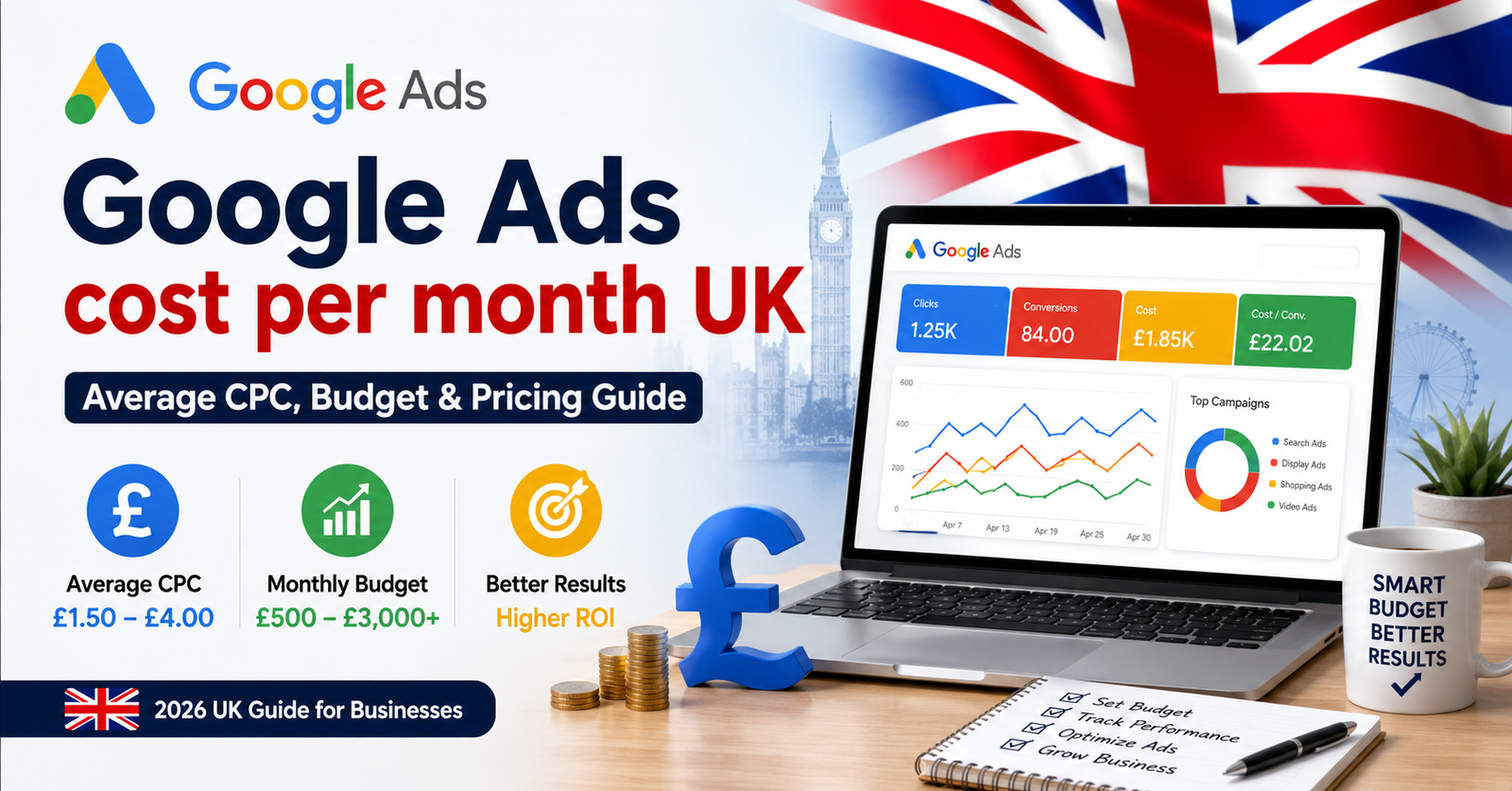
For many UK small businesses, a starting advertising budget of around £500 to £3,000 per month can be realistic, while competitive industries may require significantly more. Some recent UK benchmarks place typical small-business budgets around £1,000–£10,000 per month for businesses competing more aggressively.
Your Google Ads budget should therefore be based on your business goals rather than simply copying another company‘s spending.
In this guide, we’ll explain the Google Ads cost per month UK, average CPC, recommended budgets for different business types, management fees, and practical ways to get more results from your advertising budget.
What Is the Average Google Ads Cost Per Month in the UK?
There is no official monthly price for Google Ads.
You choose how much you’re willing to spend, and Google uses your budget to enter your ads into relevant auctions.
As a general planning guide:
| Monthly Budget | Suitable For |
|---|---|
| £300–£500 | Initial testing / low-competition campaigns |
| £500–£1,000 | Small local businesses |
| £1,000–£3,000 | Lead generation and growing businesses |
| £3,000–£10,000 | Competitive businesses and larger campaigns |
| £10,000+ | Established companies and aggressive growth |
These are planning ranges, not guaranteed costs or minimum requirements. Recent UK PPC guides similarly place £500–£3,000 per month as a common small-business range, with higher budgets needed in competitive sectors.
A business selling low-cost products may need only a few hundred pounds per month, while a solicitor or financial-services company could spend thousands because valuable keywords can be much more expensive.
How Does Google Ads Pricing Work?
Google Ads doesn’t simply charge every advertiser a fixed amount for every click.
Instead, Google uses an auction system.
Whenever someone searches for a keyword that can trigger your advertisement, eligible advertisers compete for ad placement.
Several factors influence the result, including:
- Your bid
- Keyword competition
- Ad relevance
- Expected click-through rate
- Landing-page experience
- Search intent
- Location
- Device
- Time of day
- Campaign settings
This means two businesses targeting similar keywords can potentially pay different amounts for clicks.
Your maximum CPC bid is also not necessarily the same as the amount you actually pay for every click.
What Is the Average Google Ads CPC in the UK?
CPC means Cost Per Click.
It tells you approximately how much you pay when someone clicks your advertisement.
Recent 2026 UK benchmark data suggests that average Search CPC can be around £1.50–£4 across sectors, but the range varies dramatically by industry. Some sources report an overall figure around £1.95, while high-competition sectors can be several times higher.
For example:
| Industry | Approximate CPC Range |
|---|---|
| Restaurants & cafés | £0.50–£2 |
| Beauty & personal care | £1–£3 |
| Fitness | £1.50–£3.50 |
| E-commerce | £0.50–£5 |
| Plumbers | £3–£8+ |
| Electricians | £3–£7+ |
| Dentists | £4–£10+ |
| Financial services | £10–£40+ |
| Legal services | £15–£50+ |
These figures are indicative benchmarks, not guaranteed prices. Actual CPC can differ substantially depending on the keyword and auction. Recent UK benchmark reports show particularly large differences between sectors such as hospitality, home services, finance and legal services.
Google Ads Cost Per Month UK by Business Type
Your ideal monthly budget depends heavily on what you’re selling.
1. Local Small Businesses
Examples include:
- Plumbers
- Electricians
- Hair salons
- Restaurants
- Cleaning companies
- Personal trainers
A starting budget of around £500–£1,500 per month can be reasonable for testing and generating local leads, depending on CPC and search volume.
For a business with a £5 average CPC:
£1,000 ÷ £5 = approximately 200 clicks
But clicks aren’t the same as customers.
If 200 clicks generate 10 enquiries, your campaign would have a 5% conversion rate.
That’s why you should measure cost per lead, not just clicks.
2. E-commerce Businesses
E-commerce businesses may use:
- Search campaigns
- Shopping campaigns
- Performance Max
- Remarketing
- Brand campaigns
A smaller online store might start around £500–£2,000 per month, while established stores can spend substantially more.
The key metric isn’t simply CPC.
You should monitor:
- Conversion rate
- Cost per purchase
- Average order value
- ROAS
- Profit margin
For example, if you spend £1,000 and generate £4,000 in revenue, your ROAS is 4:1.
However, revenue isn’t profit, so you should also account for product costs, shipping, payment fees and other expenses.
3. Professional Services
Professional services can include:
- Accountants
- Solicitors
- Financial advisers
- Consultants
- B2B service providers
These industries can have expensive keywords because a single customer may be worth thousands of pounds.
Some UK benchmark data shows legal and financial keywords reaching substantially higher CPCs than sectors such as restaurants or general retail.
A business in this category might need a budget of £1,500–£5,000+ per month depending on its location, services and competition.
How Much Should a Small Business Spend on Google Ads in the UK?
There isn’t one perfect budget for every business.
A better approach is to work backwards from your target.
For example, suppose you want:
20 leads per month
Your estimated cost per lead is:
£40
Then: 20 × £40 = £800 monthly advertising budget
If your actual cost per lead turns out to be £60, your required budget would increase to:
20 × £60 = £1,200
This is much more useful than simply choosing a random £500 or £1,000 budget.
Google Ads Daily Budget vs Monthly Budget
Google Ads generally uses a daily budget for campaigns.
For example, if you set: £30 per day
Your approximate monthly planning budget would be:
£30 × 30.4 = about £912
Similarly:
| Daily Budget | Approx. Monthly Budget |
|---|---|
| £10/day | £304 |
| £20/day | £608 |
| £30/day | £912 |
| £50/day | £1,520 |
| £100/day | £3,040 |
These calculations are useful for planning, but Google Ads billing and daily spend can vary by day rather than behaving like a simple fixed monthly subscription.
What Factors Affect Google Ads Cost in the UK?
Several factors can change your Google Ads cost per month UK.
1. Keyword Competition
The more advertisers competing for a keyword, the more expensive clicks can become.
For example: cheap restaurant near me
could have very different competition from: commercial solicitor London.
The second search may have much greater commercial value.
2. Industry
Some industries naturally have more expensive advertising auctions.
High-value sectors often include:
- Legal services
- Finance
- Insurance
- B2B software
- Professional services
- Certain healthcare services
Lower-CPC sectors may include:
- Restaurants
- Hospitality
- Some retail
- Entertainment
Recent UK benchmark data demonstrates how CPC can vary dramatically between these industries.
3. Location
Advertising in London may produce different CPCs from advertising in smaller towns.
If your business serves only a specific area, don’t automatically target the entire UK.
For example, a Manchester plumber may get better results by targeting Manchester and nearby areas rather than paying for clicks throughout the country.
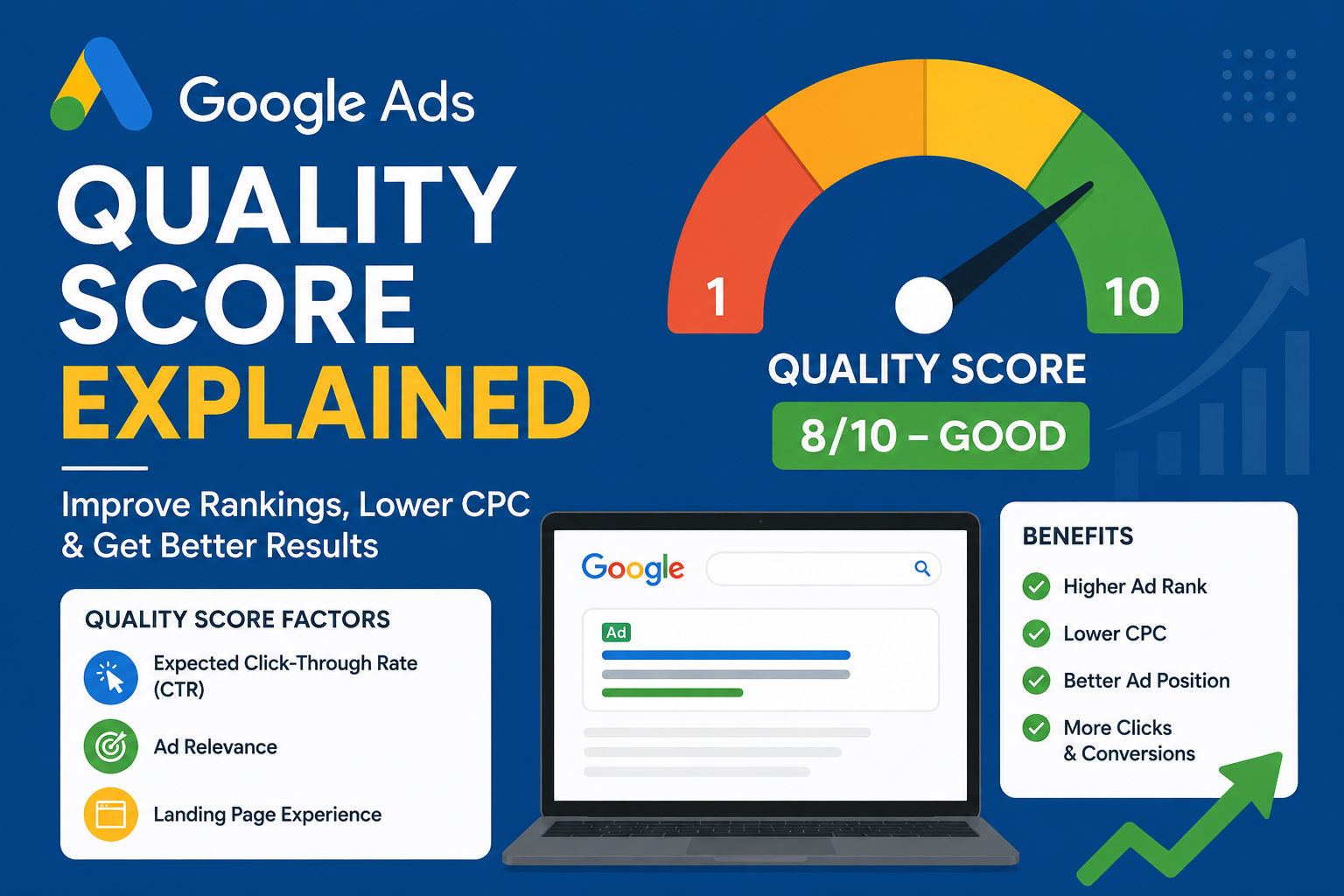
4. Quality Score and Ad Relevance
Your ad quality matters.
Relevant advertisements and useful landing pages can improve campaign efficiency.
Focus on:
- Relevant keywords
- Strong ad copy
- Good landing pages
- Fast page speed
- Clear calls to action
- Strong user experience
Don’t focus only on lowering bids.
A cheap click that never converts isn’t necessarily better than a more expensive click that generates a customer.
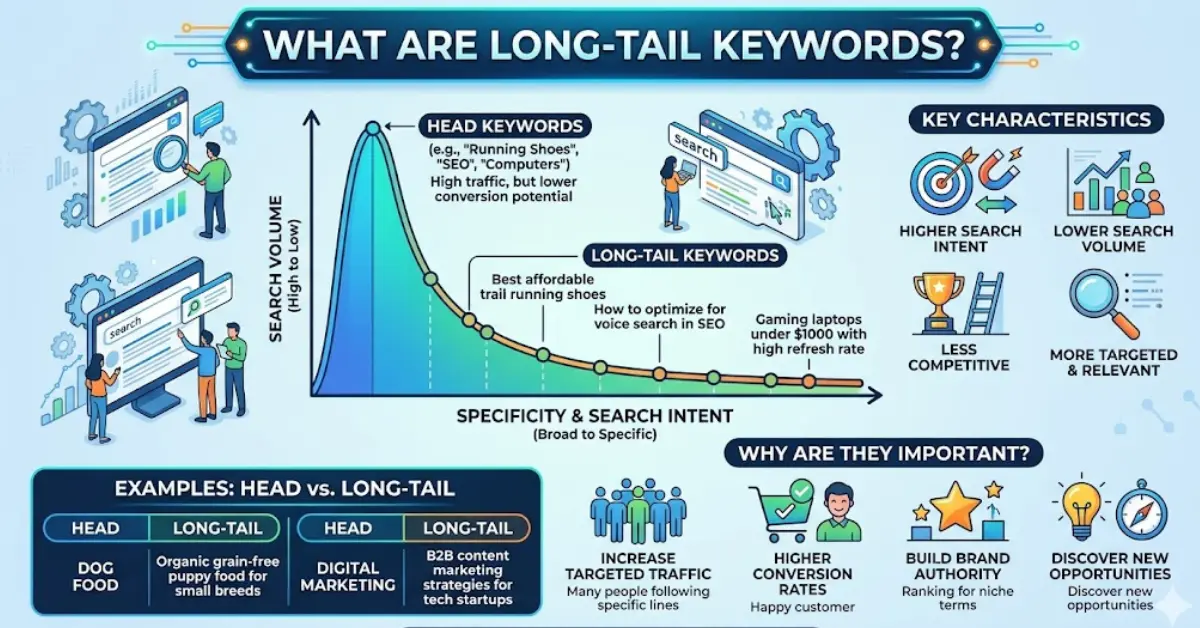
5. Search Intent
Not every keyword has the same commercial value.
Compare: what is a plumber
with: emergency plumber London
The second keyword has much stronger buying intent.
High-intent keywords may cost more, but they can also produce more valuable leads.
Google Ads Management Cost in the UK
Your total advertising cost can include more than your Google Ads spend.
There are usually two major expenses:
1. Advertising Spend
This is the money paid toward running your advertisements.
For example: £1,000/month
2. Management Fee
If you hire an agency or freelancer, you may pay an additional management fee.
UK guides report agency management fees ranging from a few hundred pounds to several thousand pounds per month, or sometimes a percentage of advertising spend.
For example:
Google Ads spend: £1,000
Management fee: £500
Total marketing cost: £1,500/month
Always check what the management fee includes before signing a contract.
It may include:
- Campaign setup
- Keyword research
- Ad creation
- Conversion tracking
- Campaign optimisation
- Reporting
- Landing-page recommendations
Is £500 Enough for Google Ads in the UK?
It can be, but it depends on the business.
£500 per month is approximately:
£16.44 per day
If your average CPC is £2:
£500 ÷ £2 = approximately 250 clicks
If your CPC is £10:
£500 ÷ £10 = approximately 50 clicks
That’s a huge difference.
Therefore, a £500 budget may be useful in a low-competition market but extremely restrictive in an expensive industry.
Some UK PPC benchmarks describe £500 as a possible testing-level budget, while noting that more competitive businesses may need substantially more.
Is £1,000 a Good Google Ads Budget?
For many small businesses, £1,000 per month can be a reasonable starting point.
At £1,000:
- £2 CPC → 500 clicks
- £4 CPC → 250 clicks
- £8 CPC → 125 clicks
- £10 CPC → 100 clicks
The important question is what happens after those clicks.
Suppose:
1,000 monthly spend → 250 clicks → 10 leads
Your cost per lead would be:
£100
If five of those leads become customers, your customer acquisition cost would be:
£200
Now you can compare that cost with your average profit per customer.
How to Calculate Your Ideal Google Ads Budget
Use this simple formula:
Monthly Budget = Target Number of Conversions × Target Cost Per Conversion
For example:
You want 30 leads.
Your target cost per lead is £40.
Therefore: 30 × £40 = £1,200/month
You can then compare that with your expected CPC and conversion rate.
Another useful calculation is:
Estimated Clicks = Monthly Budget ÷ Average CPC
For example: £1,200 ÷ £3 CPC = 400 clicks
If your landing page converts 5% of visitors: 400 × 5% = 20 leads
This shows why CPC and conversion rate must be considered together.
How to Reduce Google Ads Cost Per Click in the UK
Want to make your budget go further?
Try these strategies.
1. Improve Keyword Relevance
Group closely related keywords together and create ads that directly match the search intent.
2. Use Negative Keywords
Negative keywords prevent your ads from appearing for irrelevant searches.
For example, if you sell premium accounting services, you might exclude searches containing terms such as:
- Free
- Jobs
- Course
- Salary
- Training
The exact negative keywords should depend on your business.
3. Improve Landing Pages
Your landing page should match the advertisement.
Include:
- Clear headline
- Relevant content
- Strong CTA
- Trust signals
- Contact form
- Mobile-friendly design
4. Track Conversions
Don’t optimise blindly.
Track meaningful actions such as:
- Phone calls
- Form submissions
- Purchases
- Bookings
- Sign-ups
5. Focus on High-Intent Keywords
Don’t spend your entire budget chasing high-volume keywords.
A lower-volume keyword with strong buying intent may produce better business results.
6. Test Different Ads
Create multiple ad variations and analyse which messages generate better engagement and conversions.
7. Review Search Terms
Regularly inspect the actual searches triggering your ads.
This can reveal irrelevant traffic and new negative keyword opportunities.
Google Ads vs SEO: Which Is Cheaper in the UK?
Google Ads and SEO work differently.
Google Ads
Advantages:
- Fast traffic
- Immediate visibility
- Precise targeting
- Budget control
- Useful for lead generation
Disadvantages:
- You pay for advertising
- Competitive keywords can be expensive
- Traffic can stop when campaigns stop
SEO
Advantages:
- Can generate organic traffic over time
- No direct CPC for organic clicks
- Builds long-term visibility
- Can support brand authority
Disadvantages:
- Takes time
- Requires consistent content and optimisation
- Rankings aren’t guaranteed
For many businesses, the best strategy isn’t choosing one over the other.
A combination of SEO + Google Ads can provide both short-term traffic and long-term organic growth.
Common Google Ads Budget Mistakes
Avoid these mistakes when deciding your Google Ads cost per month UK.
1: Choosing a Budget Without Research
Don’t simply choose £500 because it sounds affordable.
Research your:
- Keywords
- CPC
- Competition
- Conversion rate
- Customer value
2: Looking Only at CPC
A £1 click isn’t automatically better than a £5 click.
If the £5 click generates customers while the £1 clicks don’t, the more expensive click may actually be more profitable.
3: Targeting the Entire UK
If your business serves only one city, nationwide targeting can waste money.
4: Ignoring Negative Keywords
Irrelevant searches can consume your budget.
5: Not Tracking Conversions
Without conversion tracking, you may not know which campaigns, keywords or ads are generating business.
6: Changing Campaigns Too Frequently
Constant changes can make performance difficult to evaluate.
Give campaigns enough time and data to make informed optimisation decisions.
Frequently Asked Questions
How much does Google Ads cost per month in the UK?
There is no fixed monthly price. Many UK small businesses use budgets around £500–£3,000 per month, while competitive industries and larger companies can spend considerably more.
Is £500 enough for Google Ads?
It can be enough for initial testing or a low-CPC local campaign. However, businesses in highly competitive industries may need a larger budget.
Is £1,000 enough for Google Ads UK?
£1,000 can be a reasonable starting budget for many small businesses, but whether it’s enough depends on CPC, search volume, conversion rate and customer value.
What is the average Google Ads CPC in the UK?
Recent 2026 benchmarks place average Search CPC broadly around £1.50–£4 across sectors, but individual industries can be much higher or lower.
Do I have to pay a Google Ads management fee?
No. You can manage your campaigns yourself. If you hire an agency or freelancer, management fees are usually separate from your advertising spend.
Can I start Google Ads with a small budget?
Yes. Starting with a focused campaign and limited geographic targeting can help you test your offer before increasing your budget.
How can I reduce Google Ads costs?
Focus on relevant keywords, negative keywords, strong ad copy, high-quality landing pages, conversion tracking and continuous optimisation.
Final Thoughts: What Should Your Google Ads Budget Be?
The right Google Ads cost per month UK isn’t determined by a universal number.
Your ideal budget depends on:
- Your industry
- Keyword CPC
- Competition
- Target location
- Conversion rate
- Customer value
- Profit margin
- Marketing objectives
For many small businesses, £500–£1,000 per month can be a useful starting point for testing, while businesses that need consistent lead generation or operate in competitive sectors may need £1,000–£3,000 or considerably more.
The most important thing is to avoid treating your Google Ads budget as an expense that simply buys clicks.
Instead, treat it as an investment that should generate measurable business results.
Start with a realistic budget, track conversions, identify your profitable keywords, remove wasted spend and gradually scale campaigns that produce a positive return.