Table of Contents
ToggleIntroduction: Venezuela oil’s role in US-Russia rivalry Why Venezuelan Oil Matters in a World of Giants
Venezuela Oil’s Role in US-Russia Rivalry Explained Imagine a country with more oil than Saudi Arabia, yet struggling with political chaos, global sanctions, and economic collapse. Venezuela oil’s role in US-Russia rivalry That country exists — Venezuela. At the center of global power politics, its massive crude reserves aren’t just valuable black gold; they’re also a strategic battleground for the United States and Russia.
In today’s geopolitical climate, Venezuela oil’s role in US-Russia rivalry isn’t just an academic phrase — it’s a real force shaping world diplomacy, military tensions, and global energy markets. In this post, we’ll explore how Caracas’ Venezuela oil’s role in US-Russia rivalry oil has become a prize, a weapon, and a pivot point in the enduring struggle between global superpowers.
The Oil Wealth Beneath Venezuela
Exploring Venezuela Oil’s Role in US-Russia Rivalry
Venezuela Oil’s Role in US-Russia Rivalry: A Strategic Overview
The World’s Largest Reserves
Venezuela holds roughly 300 billion barrels of proven crude oil reserves — the largest on Earth. That’s about 17% of all global oil known to exist. These oils are heavy crude, mostly found in the vast Orinoco Belt, which contains some of the richest hydrocarbon deposits outside the Middle East.
From PDVSA to International Influence
Venezuela’s national oil company, PDVSA, once controlled significant interests abroad — including CITGO in the United States. Back in the day, Venezuelan oil made up a large share of U.S. imports, cementing a mutually dependent relationship.
However, decades of mismanagement, corruption, sanctions, and political instability have severely weakened production, causing output to fall dramatically.
A Superpower Chessboard — Why Oil Equals Power
What Makes Venezuelan Oil Strategic?
Here’s why Venezuela oil’s role in US-Russia rivalry is a serious geopolitical issue:
-
Huge reserves give Venezuela long-term leverage.
-
Location in the Western Hemisphere places it close to the U.S. energy sphere.
-
Alliances with Russia and China grant global partners value and influence.
For decades, the U.S. focused on keeping Latin America within its strategic orbit. Meanwhile, Russia sought a foothold in the region to counterbalance U.S. dominance — and Venezuelan oil proved an ideal means.
The Rivalry Takes Shape — Alliances and Sanctions
Russia’s Growing Presence
Russia’s involvement in Venezuela isn’t just financial — it’s strategic. Moscow has supported Venezuela with loans, military equipment, and oil partnerships. In return, Russia gets access to oil and a geopolitical ally in America’s backyard.
During the 2010s, Russian energy giant Rosneft became one of PDVSA’s major trading partners.Venezuela oil’s role in US-Russia rivalry This helped Caracas export crude even as the U.S. tightened sanctions.
U.S. Sanctions and Blockades
The United States has used economic pressure to limit Venezuela’s oil revenue. Sanctions on PDVSA and associated firms aimed to reduce funds flowing to the Maduro regime. The U.S. has also targeted oil export routes, Venezuela oil’s role in US-Russia rivalry leading to the rise of shadow fleets — ships that hide cargo origins to evade sanctions.
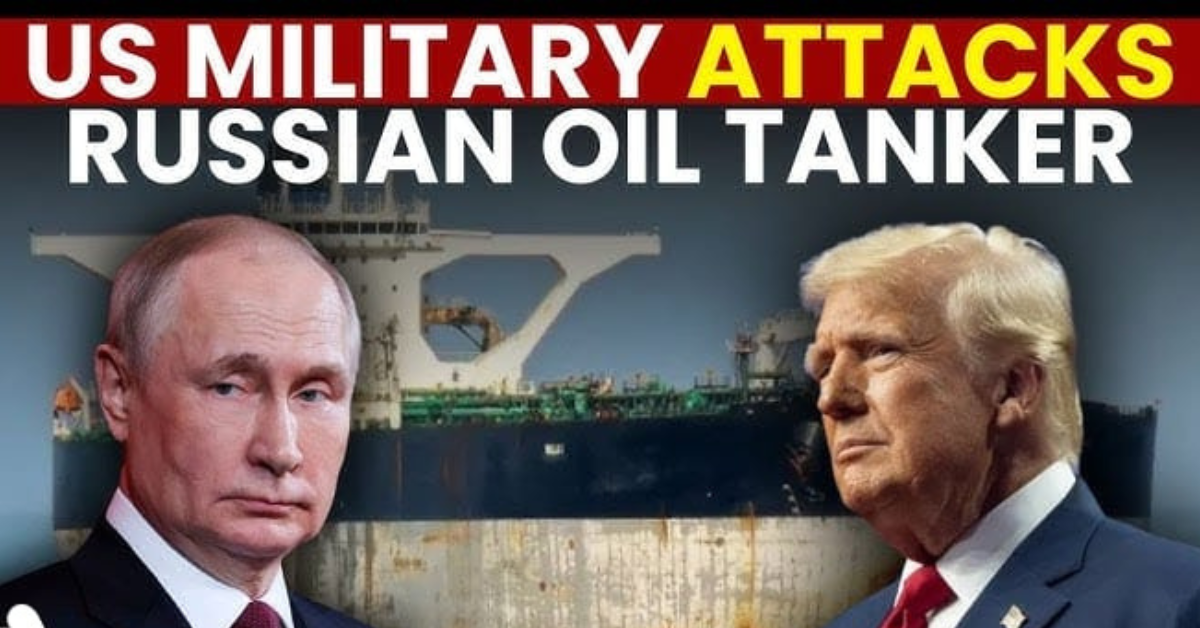
In late 2025 and early 2026, U.S. forces even seized oil tankers linked to Venezuela and Russia, showing how energy policy overlaps with security enforcement.
Shadow Fleets — Oil Without Borders
When official shipping becomes too risky due to sanctions, operators resort to clandestine routes. These unofficial oil tankers — sometimes called a shadow fleet — carry Venezuelan crude to buyers while hiding their origin by changing flags, turning off tracking systems, or using shell companies.
This practice helps Venezuela and Russia sustain oil flows despite sanctions, but it also complicates enforcement and international relations.
Major Flashpoints in the US-Russia Oil Rivalry
Seized Tankers and Rising Tensions
In early 2026, U.S. authorities seized a Russian-flagged tanker suspected of carrying crude tied to Venezuelan oil, leading to diplomatic condemnation from Moscow. Russia accused the U.S. of violating maritime norms — and tensions flared.
These incidents illustrate how a simple oil shipment can become a flashpoint between superpowers.
Strategic Goals Behind Military Moves
According to Russian commentators, U.S. actions in Venezuela may aim to control its vast oil reserves, reducing Moscow’s influence. Whether or not this was the primary motive, the narrative highlights how oil intersects with perceptions of national powerhttps://innovativeblogtech.com/ and regional control.
Economic and Global Market Impacts
Oil Prices and Market Volatility
Global oil markets react strongly to geopolitical tensions. Fear of supply disruption — especially in regions with large reserves like Venezuela — can push prices up. Moves by the U.S. to redirect Venezuelan crude to its refineries could shift global flows, affecting markets in Europe and Asia.
Effects on China
China has been one of Venezuela’s major oil customers, with offers accepted at deep discounts. U.S. enforcement and sanctions have strained this relationship, forcing China to diversify or reduce its reliance on Venezuelan crude.
What This Means for Everyday People
This rivalry is more than headlines — it affects:
-
Gasoline prices worldwide — disruptions ripple to fuel costs.
-
International law debates — who controls oil at sea?
-
Global investments — energy firms reconsider risk.
-
Diplomacy in Latin America — neighbors watch closely.
Conclusion: Why Venezuela’s Oil Will Continue to Shape US–Russia Rivalry
Venezuela’s vast oil reserves ensure that the country will remain a key player in global geopolitics, no matter how its internal politics evolve. As explored throughout this article, Venezuela oil’s role in US-Russia rivalry goes far beyond energy production—it represents power, influence, and strategic control in a rapidly changing world order.
For the United States, Venezuelan oil is about regional stability, energy security, and limiting rival influence in the Western Hemisphere. For Russia, it offers an opportunity to challenge U.S. dominance, secure alternative energy partnerships, and strengthen its global standing. Between sanctions, shadow fleets, and shifting alliances, oil has become both an economic asset and a geopolitical weapon.
As global energy demand continues and political tensions remain high, Venezuela’s oil will likely stay at the center of international negotiations, conflicts, and market movements. Understanding this rivalry helps explain not only foreign policy decisions but also rising fuel prices, diplomatic tensions, and future energy strategies worldwide.
Frequently Asked Questions (FAQ)
1. Why is Venezuela’s oil so important in global politics?
Venezuela has the largest proven oil reserves in the world, making it a strategic asset for major powers. Because oil directly affects energy security, economic stability, and military strength, Venezuela oil’s role in US-Russia rivalry has become a major factor in global geopolitics.
2. How does Venezuela oil’s role in US-Russia rivalry affect the United States?
For the United States, Venezuelan oil influences regional control, energy supply, and political stability in Latin America. U.S. sanctions aim to limit how oil revenue supports governments aligned with Russia, while also preventing Moscow from gaining influence near U.S. borders.
3. Why does Russia support Venezuela’s oil industry?
Russia supports Venezuela to counter U.S. influence, gain access to valuable oil resources, and strengthen its presence in the Western Hemisphere. Through energy partnerships and oil trading, Venezuela oil’s role in US-Russia rivalry helps Russia expand its global strategic reach.
4. What are oil sanctions, and how do they impact Venezuela?
Oil sanctions are economic restrictions that limit a country’s ability to sell or transport oil. In Venezuela, sanctions have reduced government revenue, disrupted production, and pushed oil exports into shadow trading networks, intensifying Venezuela oil’s role in US-Russia rivalry.
5. What is a “shadow fleet” in the oil trade?
A shadow fleet refers to oil tankers that operate outside standard monitoring systems to avoid sanctions. These ships often turn off tracking devices or change ownership records to move Venezuelan oil discreetly, especially during periods of U.S.-Russia tension.
6. How does the US-Russia rivalry over Venezuela oil affect global oil prices?
Any disruption in Venezuelan oil supply can raise concerns about global shortages. This uncertainty often leads to oil price volatility, affecting fuel costs worldwide. That’s why Venezuela oil’s role in US-Russia rivalry matters even to everyday consumers.
7. Does China play a role in Venezuela’s oil politics?
Yes. China is a major buyer of Venezuelan oil and often purchases it at discounted rates. While the main rivalry is between the U.S. and Russia, China’s involvement adds another layer to the global energy competition.
8. Will Venezuela’s oil continue to be a geopolitical flashpoint?
Most likely, yes. As long as oil remains a critical global energy source and superpower competition continues, Venezuela oil’s role in US-Russia rivalry will remain central to international politics and economic strategy.