
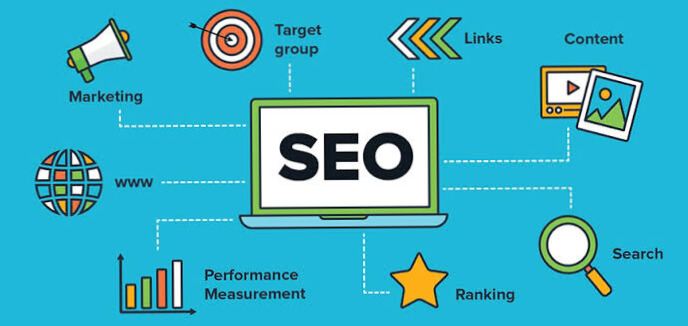
What is SEO and How It Works..?
SEO, short for Search Engine Optimization, is the process of improving your website’s visibility in search engine results like Google. When someone searches for a topic online, search engines go through a process called crawling, indexing, and ranking.
Search engine bots (often called crawlers) scan the web, collect website pages, and store them in a large database called an index. This index is constantly updated with new or modified content. When a user enters a search term—for example, “sustainable phone case”—Google checks its index and displays the most relevant results based on its complex ranking algorithm.
By understanding how search engines work, and optimizing your content accordingly, you increase your chances of appearing higher in search results and attracting more organic traffic.
Organic Search vs Paid Search: What’s the Difference?
When it comes to increasing website traffic, SEO focuses on organic search—visitors who find your site through unpaid search engine results. These results are shown based on relevance, quality, and optimization, not on advertising spend.
However, if you look at a typical Google results page, you’ll often see ads or sponsored listings at the top. These are part of what’s known as paid search.
To help you better understand the distinction, here are some commonly used terms in the world of search marketing:
-
SEM (Search Engine Marketing): A broad term that includes both SEO and paid advertising strategies to gain visibility in search engine results.
-
SEO (Search Engine Optimization): The process of improving your website’s content and structure to rank higher in organic (non-paid) search results.
-
SEA (Search Engine Advertising): The use of paid ads to appear in search results for specific keywords.
-
PPC (Pay-Per-Click): A model of online advertising used in SEA, where advertisers pay a fee each time someone clicks on their ad.
While paid ads can place your site at the top of search results instantly, they require ongoing investment. On the other hand, SEO provides long-term value by generating consistent traffic without paying per click.
“What is SEO and How It Works In reality, SEO and PPC can work together. A balanced strategy combining both can maximize your visibility and help you reach a wider audience effectively.
Why SEO Matters for Website Owners
One of the biggest reasons companies—big and small—invest in SEO is because of its powerful impact on visibility and traffic. When done correctly, SEO can bring massive results.
To put things in perspective, Google handled over 8.3 billion searches per day in 2024, and that number continues to grow year after year. Since its launch in 1998, search volume has skyrocketed, making it one of the most valuable channels for reaching people online.
If you own a website, it’s essential to ensure your content appears in search results—not just on Google, but across all major search engines. By optimizing your site for SEO, you’re opening the door to more traffic, more potential customers, and more growth for your business—all without paying for each click.
SEO Targets User Intent — and That’s a Big Deal
One of the most powerful aspects of SEO is that it’s driven by user intent. Unlike other marketing channels—like social media—where people might casually come across your brand while scrolling, SEO connects you with users who are actively searching for information, products, or services.
In social media marketing, you’re often interrupting the user’s experience to get their attention, which can make it harder to engage them. But with SEO, you’re meeting users at the right time—when they already have a need or question in mind.
What is SEO and How It Works That’s what makes SEO such a strong inbound marketing strategy. Instead of reaching out to potential customers, SEO helps them find you. Because these users are already interested, they’re more likely to click, engage, and convert.
In short, SEO attracts high-quality leads by aligning your content with what people are already looking for—making it a smart and efficient tool for growing your business.
Gain a Competitive Edge with SEO
Simply building a website isn’t enough anymore. With thousands of new websites launching every day, standing out from the crowd is more challenging than ever. That’s where SEO gives you a real competitive advantage.
By optimizing your site for search engines, you can achieve greater online visibility, build a stronger brand presence, and establish authority in your niche. SEO also increases the number of meaningful interactions you have with your audience—both online and offline—by driving high-quality, targeted traffic to your website.
As more people find and trust your content, you’ll benefit from improved brand loyalty, more customer engagement, and ultimately, higher revenue.
Different Types of SEO You Should Know
While the core principles of SEO remain consistent, there are several types that cater to specific goals and industries. Understanding the ones relevant to your business can help you fine-tune your strategy for better results.
✅ Ecommerce SEO
This type of SEO is tailored for online stores. It focuses on improving product visibility in search engines, attracting more organic traffic, and ultimately increasing sales. From optimizing product pages to streamlining site structure, ecommerce SEO is essential for online success.
✅ Local SEO
Local SEO is all about getting found by customers in your area. It helps businesses appear in local search results—both on Google and maps—so nearby users can easily discover your products or services. It’s ideal for physical stores, service areas, and local professionals.
✅ Video SEO
Video SEO involves optimizing videos and video pages to appear in search results. Whether it’s Google, YouTube, or even social media platforms, this strategy ensures your video content reaches the right audience using relevant keywords and metadata.
✅ News SEO
Perfect for publishers and media outlets, News SEO aims to get timely content featured in Google News, Top Stories, and other news-specific sections. This type of SEO requires quick publishing, structured data, and relevance to current events.
Understanding Technical SEO
Before diving deep into content or link-building, it’s essential to get the technical side of SEO right. Technical SEO focuses on optimizing the behind-the-scenes elements of your website to enhance both user experience and search engine understanding.
Key areas of technical SEO include:
-
Page Loading Speed – Fast-loading pages keep users engaged and reduce bounce rates.
-
Crawlability – Ensuring that search engines can easily access and scan the right parts of your website.
-
Fixing Broken Links – Removing or updating dead links to maintain a smooth browsing experience.
-
Website Security (HTTPS) – A secure website builds trust and is a ranking factor for search engines.
-
Structured Data (Schema Markup) – Helps search engines better understand your content and display rich results.
Search engines prioritize websites that offer a smooth, secure, and reliable experience. A slow, broken, or unsecured page not only frustrates users but also harms your rankings. On the other hand, when your site is technically optimized,What is SEO and How It Works it’s easier for search engines to evaluate your content and rank your pages more effectively.
What is On-Page SEO?
While technical SEO focuses on behind-the-scenes performance, on-page SEO is all about optimizing the visible content and elements on your web pages to improve rankings and user experience.
What is SEO and How It Works Though technical elements like page speed and crawlability are part of on-page SEO, the main focus lies in enhancing your content and how it’s presented.
Here are the key components of on-page SEO:
-
High-Quality Content – Providing useful, original, and relevant content that addresses user intent.
-
Keyword Optimization – Using the right keywords naturally within your content, titles, and headings.
-
E-E-A-T (Experience, Expertise, Authoritativeness, Trustworthiness) – Creating content that builds credibility and demonstrates value.
-
Site Structure – Organizing your content logically with clear navigation and hierarchy.
-
Internal Linking – Connecting related pages to help users and search engines explore your site.
-
SEO-Friendly URLs, Titles, and Alt Tags – Optimizing page URLs, title tags, and image alt text for better visibility.
On-page SEO is essential because it helps search engines understand the context of your content while making your pages more useful and accessible to visitors. When done right, it increases your chances of ranking for the terms your audience is actively searching for.
What is Off-Page SEO?
While on-page SEO focuses on optimizing your content and website structure, off-page SEO refers to all the activities you do outside your website to improve your search engine rankings and brand visibility.
One of the most powerful off-page SEO tactics is link building—getting other reputable websites to link to your content. These backlinks act like votes of trust, helping search engines see your site as a reliable and authoritative source.
But link building is just the beginning. Off-page SEO also includes:
-
Guest Blogging & Media Mentions – Writing articles for other platforms, doing interviews, or being featured in online publications can help expand your reach and authority.
-
Speaking Engagements & Events – Sharing your knowledge in public forums or online webinars can position you as an expert in your field.
-
Social Media Presence – While social activity doesn’t directly impact rankings, engaging with your audience helps build brand awareness and trust.
-
Local Engagement – For local businesses, reputation matters both online and offline. Providing a great customer experience can lead to positive reviews and word-of-mouth referrals.
-
Business Listings – Ensure your details are accurate and consistent across platforms like Google Business Profile, online directories, and review sites.
Off-page SEO is all about growing your brand beyond your website. When people mention, link to, or talk about your business online, it sends strong signals to search engines that your content is valuable—leading to better rankings and more organic traffic.
Key SEO Ranking Factors You Should Know
What is SEO and How It Works Search engines use a variety of ranking factors to decide which pages appear in search results—and in what order. These factors help search engines determine how relevant and useful a particular page is for a specific search query.
While the exact list and weight of these ranking signals remain somewhat of a mystery (and often change with algorithm updates), What is SEO and How It Works we do have a solid understanding of the most influential ones.
Here are the core ranking factors you should focus on:
-
Content Quality, Relevance & Usability
Search engines prioritize content that is original, informative, and directly answers the user’s query. Relevance and readability are key. -
Internal & External Links
Links help search engines understand the structure of your site and your content’s credibility. Quality backlinks from reputable sources can significantly boost your authority. -
Technical SEO Elements
Things like site security (HTTPS), proper indexing, and a clean site structure ensure that your pages are accessible and trustworthy. -
User Experience (UX)
A fast-loading, mobile-friendly site with intuitive navigation helps users stay longer, which sends positive signals to search engines. -
Online Brand Presence
A strong brand footprint across the web—including consistent business listings, social mentions, and reviews—adds to your site’s credibility.
While there are hundreds of other ranking signals, focusing on these core elements will set a strong foundation for your SEO strategy.
Want to quickly check your website’s SEO performance? Use reliable SEO tools or checkers to identify issues and receive actionable tips for improvement.



Thank you for your sharing. I am worried that I lack creative ideas. It is your article that makes me full of hope. Thank you. But, I have a question, can you help me?
Thanks for sharing. I read many of your blog posts, cool, your blog is very good.
Your point of view caught my eye and was very interesting. Thanks. I have a question for you.
I don’t think the title of your article matches the content lol. Just kidding, mainly because I had some doubts after reading the article. https://accounts.binance.com/ar-BH/register-person?ref=UT2YTZSU
Your article helped me a lot, is there any more related content? Thanks!
Your article helped me a lot, is there any more related content? Thanks!
Your article helped me a lot, is there any more related content? Thanks!
Your point of view caught my eye and was very interesting. Thanks. I have a question for you.
I don’t think the title of your article matches the content lol. Just kidding, mainly because I had some doubts after reading the article.
Your point of view caught my eye and was very interesting. Thanks. I have a question for you.
Your article helped me a lot, is there any more related content? Thanks!
Thanks for sharing. I read many of your blog posts, cool, your blog is very good. https://accounts.binance.com/ru/register-person?ref=O9XES6KU